
Property visits and open issues
Check agreed accessible areas, photograph visible concerns and keep the next action clear. Arrange home watch, maintenance coordination or arrival preparation around the property's use.
Family offices · Estate managers
Property visits, preferred-vendor coordination and follow-through in South Florida, under your office or estate manager's direction. Start with the work that needs a local presence.
Your team sets the priorities. Reporting contacts, visit cadence, approval responsibilities and any spending limits are agreed during onboarding.
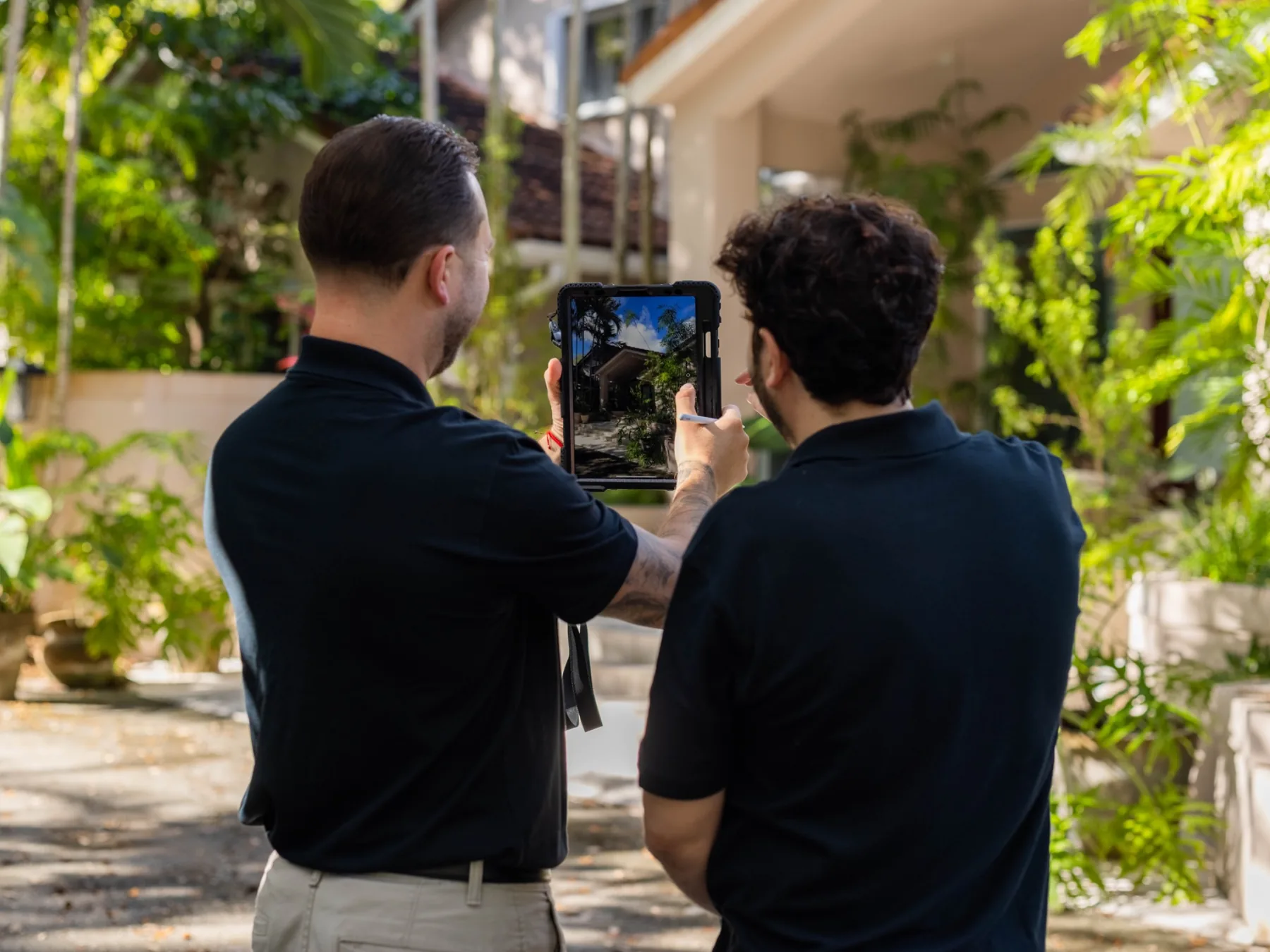
Agreed field support
Check agreed accessible areas, photograph visible concerns and keep the next action clear. Arrange home watch, maintenance coordination or arrival preparation around the property's use.
Coordinate scheduling and access with existing vendors. Document observations, follow up on approved work and flag items that need the manager or the appropriate specialist.
Agree who receives updates and in what format. Highlight what changed, what needs a decision and what remains open, with available completion evidence and service history.
The scope covers care for private residences. Sales, lettings and rental operations remain with the owner's appointed real estate professionals. Hands-on work, materials, specialist services and on-site attendance are scoped and billed as agreed.
From assignment to follow-through
Begin with one property or an agreed assignment. We review the existing care record and open work before adding another layer of activity.
The fictional Orchestra example illustrates an observation, decision and work order. It is a sample workflow, not evidence of a completed client job.
Before we begin
Yes. We agree a named point of contact and reporting line during onboarding. The manager sets priorities and retains the approval responsibilities established for the property.
Yes. Share the relevant provider contacts and agreed responsibilities during private onboarding. We coordinate approved scheduling, access and follow-up; technical judgments remain with the appropriate qualified provider.
That is agreed before work starts. We record who authorizes work, any spending limits and how changed scope or charges should be handled. The inquiry form does not authorize work or spending.
Keep the observation, next action and decision needed with the property's history. Updates distinguish completed work from items still awaiting approval, a provider or further investigation. Reporting cadence is agreed for the assignment.
Tell us the property city, the work to be covered and who would direct it. Share access details and private property documents during follow-up.
Discuss your property workloadFor your own home, explore ongoing home management. For a defined task, view specific services.